Choosing the Right Sedation Patient Starts Before the Appointment Begins
 Sedation and Anesthesia Education
Sedation can make dental treatment possible for patients who would otherwise struggle to tolerate care. But one of the most overlooked truths about sedation dentistry is that success rarely depends on the medication itself. More often, it depends on how carefully the patient was evaluated before the appointment ever began.
Good sedation outcomes are not accidental. They are usually the result of thoughtful patient selection, clear clinical goals, airway awareness, and attention to small details that influence safety.
In many ways, sedation begins long before the first dose is given.
Sedation Works Best When the Goal Is Clear
Before selecting a medication or sedation approach, it helps to define what the appointment actually requires.
Different patients need sedation for different reasons. In pediatric patients, sedation is often used to reduce movement and improve cooperation so treatment can be completed safely. In adolescents and adults, sedation is more commonly used to manage anxiety, fear, or previous negative dental experiences. Sometimes the goal is improved comfort. Other times it is improved efficiency. Often, it is both.
When the goal of sedation is clearly defined, it becomes easier to choose the right level of sedation and the right technique for that patient and procedure. Without that clarity, sedation decisions can become routine rather than intentional.
Patient Selection Is the Most Important Safety Decision You Make
Even when everything looks appropriate on paper, sedation responses are not completely predictable.
Some patients who appear to be excellent candidates may struggle once treatment begins. Others with moderate anxiety may respond better than expected. Previous sedation history can be helpful, but it should never be treated as a guarantee of future performance.
Instead, the purpose of the pre-sedation evaluation is to improve predictability and reduce avoidable risk. The goal is not perfection. The goal is preparation.
Careful selection dramatically increases the likelihood of a smooth appointment and reduces the chance that sedation will need to be interrupted or abandoned.
Medical History Reviews Require More Than a Checklist
A thorough medical history is one of the strongest predictors of sedation safety, but it only works when it is accurate and complete.
Parents and caregivers often provide excellent information, but important details are sometimes missed unless specific follow-up questions are asked. Medication changes are especially important to confirm on the day of treatment. It is not unusual to discover new prescriptions or recent illnesses that were not documented at the initial visit.
Medications that deserve special attention include:
- stimulant medications used for ADHD
- antidepressants and anxiety medications
- recent antibiotics or illness-related prescriptions
- over-the-counter supplements
- medications taken the morning of sedation
Even small details can influence drug selection or timing. When something does not seem clear, contacting the patient’s primary care provider can help confirm whether sedation should proceed as planned.
Sedation planning is safest when it includes collaboration outside the dental office when needed.
Behavior Assessment Helps Predict Sedation Success
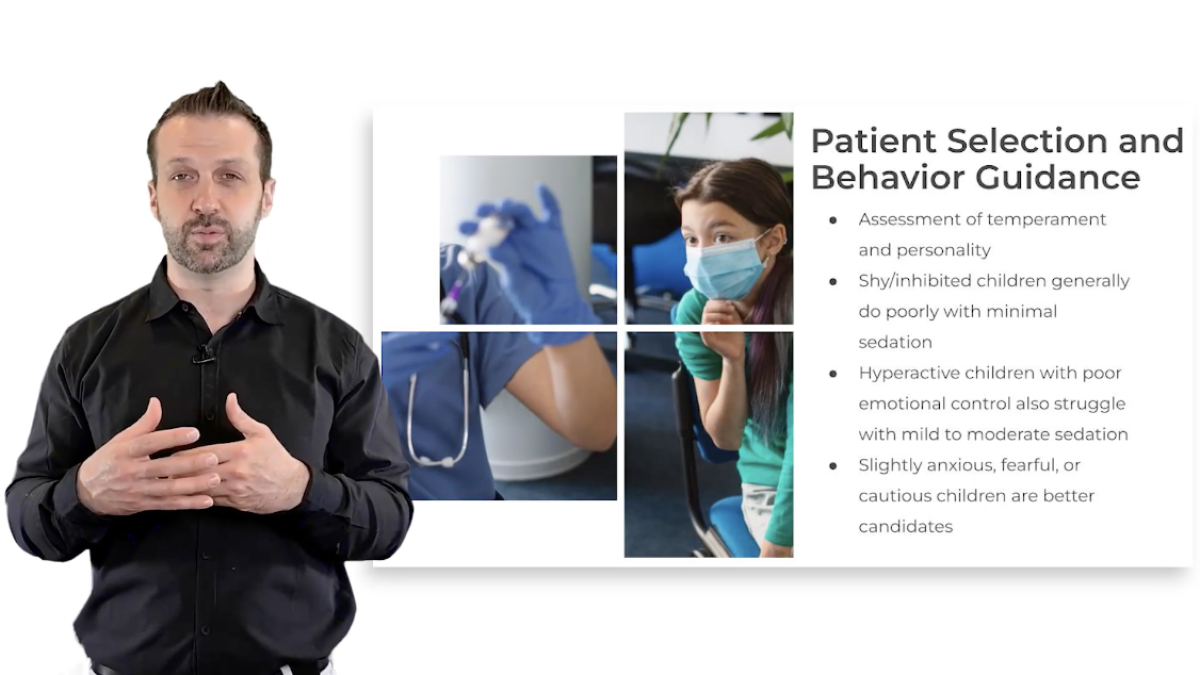
Behavioral evaluation plays a larger role in sedation success than many providers expect, especially in pediatric patients.
Observing how a child responds during the consultation visit can provide valuable insight into whether sedation will improve cooperation or increase anxiety. Some patients respond well to the loss of awareness that sedation creates. Others become more distressed when they feel a loss of control.
Parents often provide useful perspective here. They know how their child reacts in unfamiliar environments, during medical visits, or when routines change. That information helps determine whether sedation is likely to support treatment or complicate it.
Taking time to assess behavior early can prevent failed sedation appointments later.
Airway Screening Should Always Be Part of the Evaluation
Most sedation complications in pediatric dentistry involve breathing.
Because of that, airway assessment is one of the most important parts of the physical exam before sedation. Screening tools such as Mallampati classification and tonsil size evaluation help identify patients who may be at increased risk for airway obstruction during sedation.
Patients with higher airway risk classifications are not automatically excluded from sedation, but they do require additional caution and planning. In some cases, postponing treatment or choosing an alternative setting may be the safest option.
Recognizing airway risk early helps prevent emergencies later.
Listening to Lung Sounds Can Change the Entire Plan
Respiratory evaluation should always include auscultation before sedation medications are administered.
Normal breath sounds suggest effective oxygen exchange and stable respiratory function. Abnormal sounds may indicate airway inflammation, infection, or compromised ventilation that increases sedation risk.
Examples of concerning findings include:
- wheezing associated with asthma or airway narrowing
- crackles suggesting fluid or infection
- rhonchi indicating airway congestion
- diminished breath sounds during shallow respiration
- stridor indicating upper airway narrowing
Even mild respiratory symptoms can increase sedation risk in younger patients. When abnormal breath sounds are present, postponing sedation is often the safest decision.
Rescheduling protects both the patient and the provider.
Confirming Fasting Status Is a Critical Safety Step
Fasting guidelines remain one of the simplest and most effective safeguards in oral sedation.
Standard recommendations generally include:
- clear liquids: about 2 hours
- breast milk: about 4 hours
- infant formula: about 6 hours
- solid or fatty foods: about 8 hours
Following these guidelines reduces the likelihood of aspiration and helps providers remain aligned with accepted clinical standards.
Interestingly, children often provide the most accurate fasting information when asked directly. Simple questions about what they ate that morning can quickly confirm whether sedation should proceed.
If fasting recommendations were not followed, postponing sedation is the safest choice.
Procedure Planning Helps Match the Sedation to the Patient
Sedation decisions should always reflect the procedure being performed.
Before selecting a sedative, it helps to consider:
- expected procedure length
- need for movement control
- need for anxiety reduction
- need for amnesia
- anticipated level of stimulation
Matching sedation depth to procedural demands improves efficiency and reduces the likelihood that additional interventions will be needed during treatment.
Sedation works best when it is planned around the procedure—not added as an afterthought.
Strong Evaluations Lead to Predictable Sedation Appointments
Safe sedation is rarely the result of a single decision. It is the result of a structured evaluation process that includes airway screening, behavioral assessment, medication review, fasting confirmation, and procedure planning.
Each of these steps improves predictability.
And predictability is what makes sedation dentistry both safer and more effective for patients and providers alike.
Careful preparation before the appointment often determines whether the sedation appointment itself feels routine—or becomes unnecessarily complicated.
Learn more at: https://www.isedatesafe.com
Categories: : Patient Safety, Sedation Anesthesia