Preventing Sedation Drift: The Clinical Difference Between Awake and Unresponsive
 Sedation and Anesthesia Education
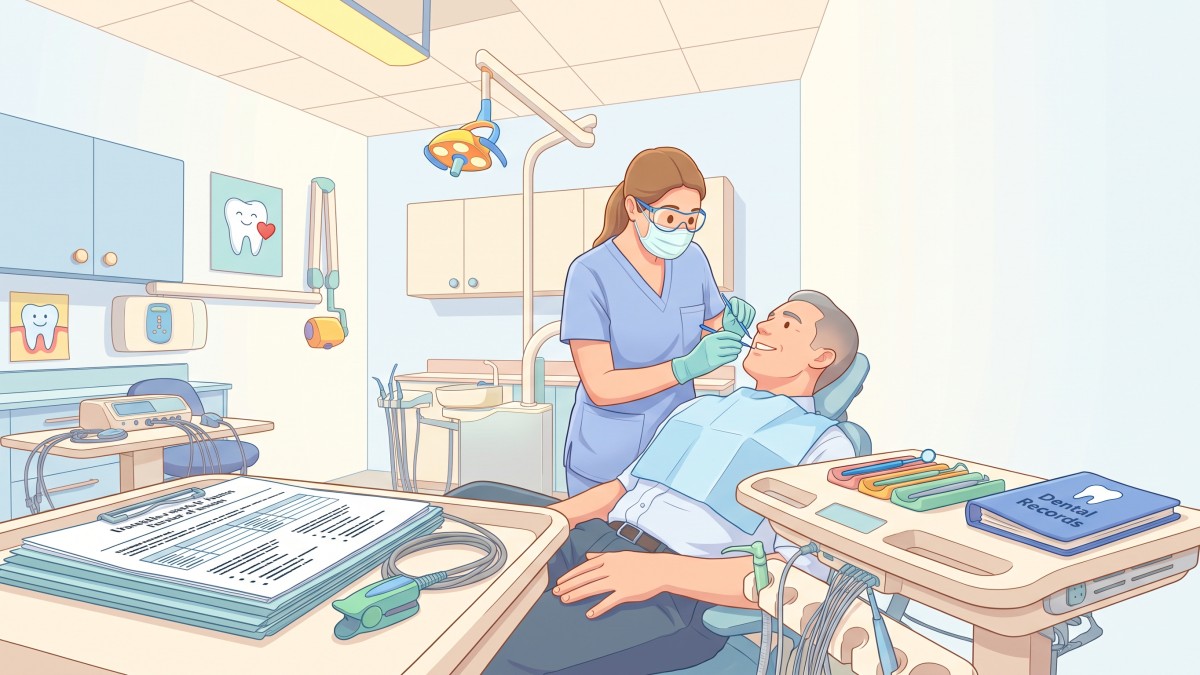
In dental sedation, depth of consciousness is never static. The continuum of sedation behaves like a continuous wave, fluctuating throughout a procedure based on patient physiology, pharmacokinetics, and clinical stimuli. Because every patient metabolizes sedative agents differently, a patient intended for minimal or moderate sedation can drift into deeper, unintended planes without warning.
For dental providers, managing sedation is not simply about administering a calculated dose. It requires continuous depth monitoring, prompt recognition of deeper planes, and the immediate clinical skill to rescue patients before airway compromise occurs.
Understanding the Planes of the Sedation Continuum
The American Dental Association (ADA) and the American Society of Anesthesiologists (ASA) define sedation along a continuous spectrum:
- Minimal Sedation (Anxiolysis): The patient responds normally to verbal commands. Cognitive function and physical coordination may be slightly impaired, but ventilatory and cardiovascular functions remain unaffected.
- Moderate Sedation: The patient remains awake and displays a purposeful response to verbal commands, either alone or accompanied by light tactile stimulation. Spontaneous ventilation is adequate, and cardiovascular function is maintained.
- Deep Sedation: The patient is technically asleep and cannot be easily aroused. They respond purposefully only following repeated or painful stimulation. Spontaneous ventilation may be inadequate, and the patient is at imminent risk of losing airway patency.
- General Anesthesia: The patient is unarousable, even with painful stimulation. Ventilatory assistance is frequently required, and cardiovascular stability may be impaired.
The legal and clinical boundary for most in-office sedation permits rests firmly within minimal and moderate sedation. In these states, the patient is awake. Once a patient crosses into deep sedation, protective airway reflexes diminish, and the tongue—the primary source of airway obstruction—can collapse against the posterior pharyngeal wall.
How to Clinically Assess Sedation Depth
A common pitfall in procedural sedation is relying solely on electronic monitors to determine sedation depth. Pulse oximetry, blood pressure cuffs, and automated monitors track physiologic stability, but they do not measure the plane of consciousness. Sedation depth is determined exclusively by the patient’s response to verbal and tactile stimuli.
To verify that a patient remains within the target moderate plane, integrate regular verbal and physical checks into the operative workflow:
- Engage with Light Verbal Cues: Periodically speak to the patient using conversational, non-threatening prompts, such as asking them to adjust their chin or acknowledge instructions. A delayed, slurred, or absent verbal reply is an early indicator of deepening sedation.
- Evaluate Purposeful Movement: If tactile stimulation is required, assess whether the resulting movement is purposeful. A patient reaching to adjust an arm or responding directly to a light shoulder tap confirms a moderate plane. Pure reflex withdrawal to a painful stimulus does not equal purposeful response and suggests the patient has transitioned into deep sedation.
- Differentiate Between Sleep and Obstruction: A patient who appears to be comfortably resting or snoring during a procedure must be evaluated immediately. Snoring sounds or soft tissue flutter indicate partial airway obstruction and suggest a depth deeper than intended.
Mitigating the Risk of Unintended Deepening
Patients do not require heavy general anesthetics to slip into deep sedation. Even agents with high margins of safety, such as nitrous oxide, can induce unintended deep planes in sensitive individuals or when combined synergistically with oral sedatives and local anesthetics.
To maintain strict control over the sedation plane:
- Avoid Standardized Dosing Regimens: Standardizing fixed drug doses across patients overlooks critical variables such as age, body habitus, baseline anxiety, and organ clearance. Individualized dosing improves predictability.
- Account for Drug Synergies: When combining nitrous oxide with oral benzodiazepines or other sedatives, recognize that the risk of respiratory depression and deeper planes escalates significantly.
- Adhere to Established Fasting Guidelines: Because unintended deepening compromises airway protection, maintaining proper NPO guidelines (2 hours for clear liquids, 6 hours for light meals/formula, 8 hours for fatty solids) provides essential defense against pulmonary aspiration if a patient dips into a deeper plane.
Countermeasures and Rescue Protocols
If clinical monitoring reveals that a patient is slipping past moderate sedation, pause the procedure immediately and initiate corrective interventions:
- Stop Dental Treatment: Cease operative procedures instantly to dedicate focus to patient responsiveness and ventilation.
- Adjust Inhalational Agents: If administering nitrous oxide, immediately reduce the concentration or switch to 100% oxygen. Due to its low blood solubility, reducing nitrous oxide quickly lightens the sedation plane.
- Support and Reposition the Airway: Deliver a chin lift or jaw thrust to lift the tongue away from the posterior pharyngeal wall if respiratory sounds become labored, stertorous, or silent.
- Administer Tactical Stimulation: Use firm verbal and physical prompts to assess arousability.
- Prepare Pharmacologic Reversal: If oral sedatives have produced profound unresponsiveness or hypoventilation that does not rapidly resolve, administer the appropriate reversal agent.
- Extend Post-Reversal Monitoring: Reversal agents often have shorter half-lives than the primary sedative administered. Continuous observation is mandatory to guard against resedation once the antagonist begins to metabolize.
Sedation safety is not defined by never encountering an unintended deep plane; it is defined by the speed and precision with which the dental team recognizes the drift and executes rescue protocols. Maintaining vigilant, hands-on clinical assessment ensures your practice operates safely within legal permit boundaries while delivering predictable patient outcomes.
Learn more about regulatory requirements, patient monitoring protocols, and accredited continuing education at Sedation and Anesthesia Education of Texas.
Categories: : Sedation Anesthesia